Registered Waste Carriers Check Made Simple Part 1

Description
If someone offers to clear your rubbish quickly and cheaply, the right question is not just how much - it is whether they are legally allowed to take it. A registered waste carriers check is one of the simplest ways to protect yourself from fly-tipping, poor handling and the hassle that follows when waste ends up somewhere it should not.
For households, landlords and businesses, this is not paperwork for paperwork’s sake. If your waste is passed to the wrong person, you can still face difficult questions about where it went. Checking a carrier before collection is a practical step that reduces risk, protects your reputation and helps keep waste moving through the proper channels.
What a registered waste carriers check actually tells you
A waste carrier registration check confirms whether the person or company collecting waste is on the relevant public register. In simple terms, it shows they have registered to transport waste legally. That matters whether you are clearing a garage, arranging a garden waste collection, managing a site clearance or booking regular commercial waste removals.
The check can also help you confirm that the business details line up with what you have been told. If a trader gives you one business name on the phone, another on the invoice and a different one on the side of the van, that is a reason to pause. A legitimate operator should be able to provide clear, consistent details.
This does not mean registration alone guarantees excellent service. A registered carrier can still be late, poorly organised or not suited to the job. But no registration is a much bigger concern, because it raises a basic legal and compliance issue before the waste has even been loaded.
Why this check matters more than many people realise
The risk is often underestimated because rubbish removal can feel informal. Someone sees a pile of unwanted items, a van turns up and the waste disappears. The problem is that disposal is not finished when the van leaves your property.
If that waste is dumped illegally, mixed improperly or taken to the wrong place, the original producer of the waste may need to explain who took it and what checks were carried out. For businesses, that can become a compliance problem. For households, it can still mean stress, follow-up and avoidable cost.
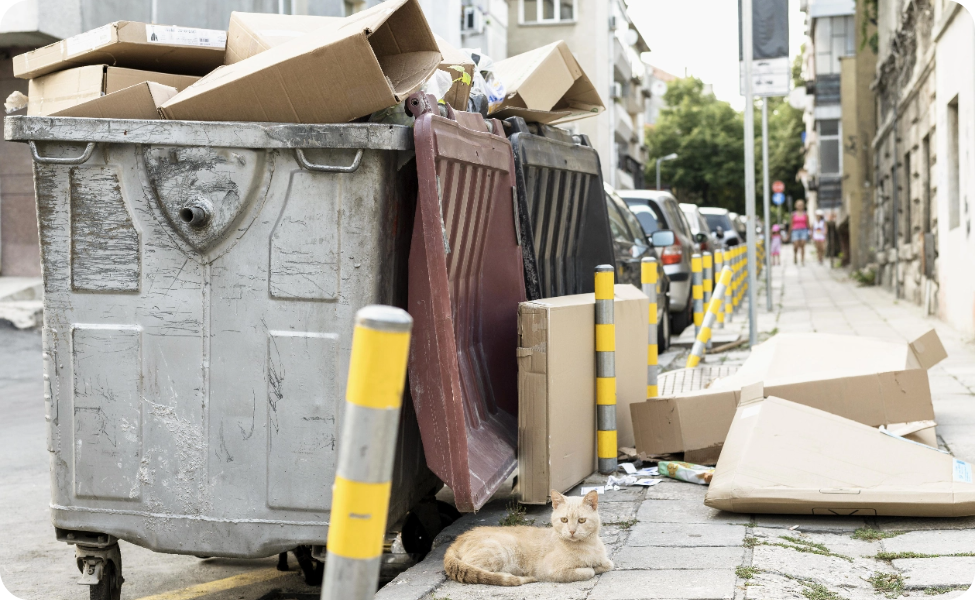
There is also a community impact. Fly-tipping affects streets, rural areas, business estates and shared spaces. Choosing properly registered carriers supports legal operators and reduces the market for people who undercut compliant firms by dumping waste instead of paying to process it correctly.